
Spray foam or blown-in cellulose — it is one of the two questions Phoenix homeowners ask most about their attics, right behind "how much will this cost." The honest answer, after more than twenty years of insulating Arizona homes, is that neither material wins outright. They are different tools. Blown-in cellulose is the fast, economical way to rebuild an attic floor's insulation. Spray foam is an air seal and an insulation in one application, at a higher price, and it belongs in specific places. Picking the wrong one for the wrong job wastes money in one direction and performance in the other. This guide lays out what each material actually does, what drives the cost gap, and how an attic in this climate decides between them.
If your comparison is foam versus fiberglass, we cover that separately in our spray foam versus fiberglass guide, and if it is foam versus foam, see open cell vs closed cell spray foam. This article is the foam-versus-loose-fill question.
What spray foam and blown-in cellulose actually are
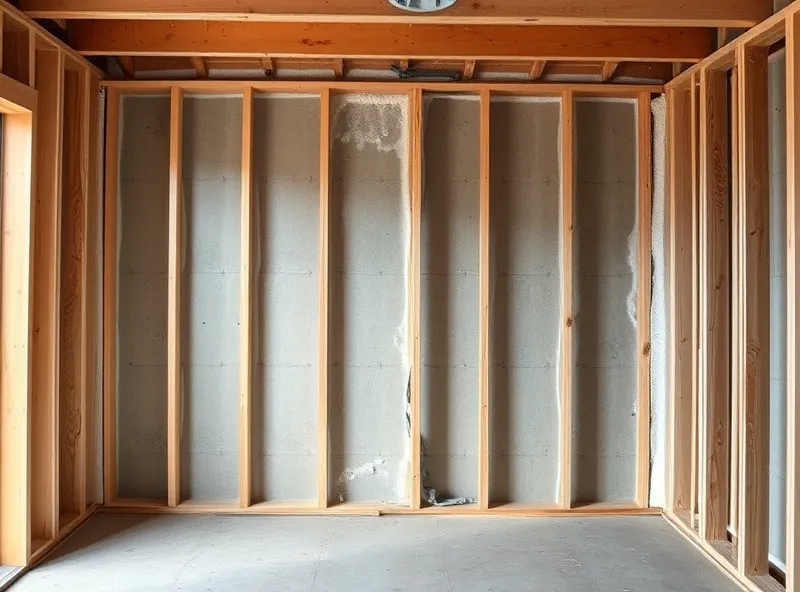
Spray polyurethane foam is a two-part chemical system applied as a liquid that expands in place and cures into a rigid or semi-rigid mass. Because it expands, it fills the cavity it is sprayed into — studs, rafters, rim joists — and it becomes an air barrier as well as insulation. It comes in open-cell and closed-cell formulations, and the differences between them are big enough that we gave them their own article. We are Icynene certified and a member of the Spray Polyurethane Foam Alliance, and foam application is trained, equipment-intensive work — that industry's own training and standards body publishes the applicator programs any qualified crew holds.
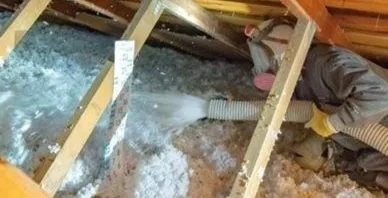
Blown-in cellulose insulation is recycled paper fiber, treated with borates for fire resistance and pest resistance, and installed with a blowing machine. Over an open attic floor it is loose fill, hosed out to an even depth. In walls it can be dense-packed behind netting or through drilled-and-filled holes — that is our blown-in service in a nutshell, and the Cellulose Insulation Manufacturers Association publishes — the Insulation Institute documents the same material standards the industry's coverage and labeling standards.
The difference that matters most: air sealing
Here is the part most comparison articles skip. Heat moves by conduction, convection and radiation, and insulation only handles the first one. If the attic floor leaks air — around top plates, can lights, bath fans, duct penetrations, the attic hatch — loose-fill insulation on top of those leaks does not stop the airflow. The U.S. Department of Energy's guidance for existing homes treats insulation and air sealing as a pair, not a choice between them: seal the leaks, then insulate. The EPA also ties unsealed attics to dust, pollutants and indoor air quality problems.
Spray foam is the only one of the two that does both jobs in a single application. Applied to a roofline or into wall cavities, it insulates and air-seals in the same pass. That is why foam is often the right answer where air leakage is the actual problem — a hot second floor over a leaky attic is a classic case we break down in why your second floor stays hot. It is also why a cellulose top-up and a separate targeted air sealing pass can be a legitimate alternative: two cheaper steps that together cover most of what foam does on an attic floor.
What drives the cost gap
The national search volume behind this question is mostly about cost, and the shape of the answer is consistent across the trade. A cellulose attic top-up is one of the least expensive insulation projects there is: the material is affordable, one machine and a small crew can cover an attic floor quickly, and the prep is minimal when the attic is accessible. Foam carries a substantially higher price for the same footprint. The chemistry is more expensive, the rigs and application equipment cost more to own and run, the crew has to be trained and certified, and the job itself is slower and more exacting — pass thickness matters, substrate temperature matters, and a sloppy applicator creates problems that are expensive to undo.
What you are paying for with foam is the air seal and the performance in hard-to-insulate assemblies: rooflines, garages, sheds, metal buildings, cavities that batts and loose fill cannot fully address. We keep quotes valid for 90 days, and every job we price is measured on the actual house — attic size, access, and what the existing insulation looks like move the number more than any chart on the internet. The most cost-effective plan for a given home is sometimes neither pure option: seal the attic floor first, top up the cellulose, and reserve foam for the spots that genuinely need it. A free estimate settles it in writing.
Attic floor vs roofline: where each belongs in Phoenix
Phoenix is a cooling-dominated climate, and the National Weather Service Phoenix office spends most of the summer explaining just how dominant. In an existing home with a vented attic, the standard approach — the one the U.S. Department of Energy and the building-science community back — is to air-seal and insulate the attic floor and leave the attic vented. Cellulose loose fill is built for exactly that: it goes over the existing insulation, fills odd pockets, and rebuilds the thermal boundary at the ceiling plane in a day.
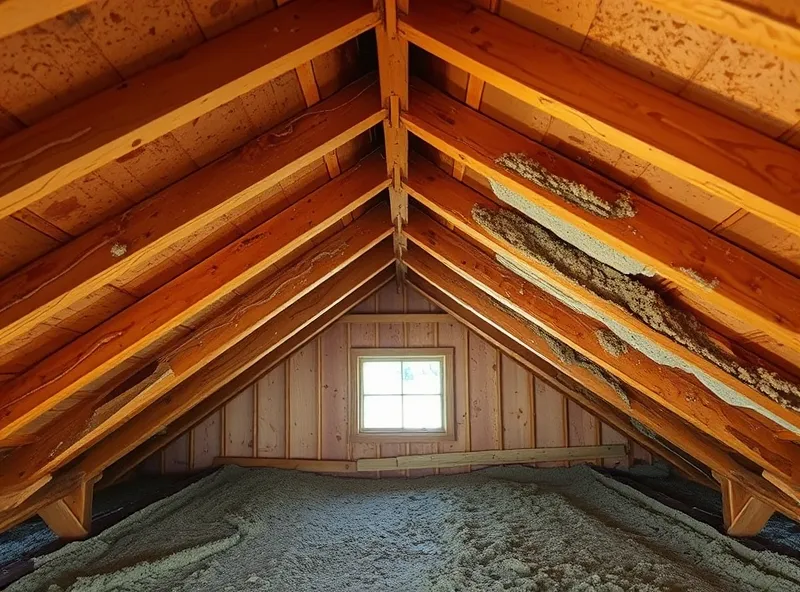
Roofline foam is the other strategy: spray the underside of the roof deck and bring the attic inside the conditioned envelope. It costs more, and it changes how the attic works — ducts and equipment no longer sit in a 150-degree oven, which matters because the U.S. Energy Information Administration ranks cooling as the largest single energy use in homes like ours. Roofline foam shines when the attic holds HVAC equipment, when there is no room for depth on the floor, or when the attic is being converted into real space. It is not automatically "better" — it is a different building decision. And in either strategy, a radiant barrier can complement the insulation by dealing with the radiant component foam and cellulose both leave on the table.
Settling, fire and pests: cellulose's fine print
Cellulose is a borate-treated recycled paper product, and its fire performance surprises people: properly treated cellulose resists ignition, and the Insulation Institute and CIMA both publish material on it. The borates also deter common Arizona attic pests. The real fine print is settling. All loose-fill cellulose settles over time — that is a known, designed-for behavior, not a defect. Manufacturers' coverage charts and the federal labeling rules are built on the settled density, which is why installed depth is blown above the settled mark. What settles cellulose faster than it should is water and disturbance, which brings up moisture.
Foam's fine print is different: it does not settle, and once cured it is inert. What foam does not do is make a leak go away — more on that next.
Moisture, monsoon humidity and roof leaks
Arizona is dry until it is not, and monsoon season can dump serious water into a roof system in an afternoon. Each material interacts with that differently. Wet cellulose mats and holds water; after a significant roof leak, saturated cellulose in the affected area is typically removed and replaced rather than dried in place. Roofline foam is the reverse situation: the foam layer can mask a leaking roof deck from view below, which is one honest reason the internet is full of stories about people removing spray foam — usually it is a roof leak nobody could find, an unvented assembly that was done wrong, or an applicator who skipped the training. Insurance questions around foam trace to those same failures, not to the material itself. Applied correctly in the right assembly, foam is a code-recognized system — the International Code Council evaluation reports cover it — and any installer should be able to walk you through exactly what goes in and how it is protected. Ask; it is a fair question, and it is ours to answer.
R-value honesty: how to compare them the legal way
You will find per-inch R-value charts all over the internet, and we will not repeat them here. As an installer we follow the FTC's R-value Rule: R-value claims belong on the manufacturer's fact sheet for the specific product and the installed thickness, not in a blog comparison, and comparisons based on per-inch arithmetic mislead more than they inform. The higher the R-value, the greater the insulating power. Ask your seller for the fact sheet on R-values. Any estimate you get from us for either material states the product and the installed thickness it prices — that is the number that actually describes your attic.
The same honesty applies to savings. A tighter, better-insulated attic generally means the air conditioner runs less, and in a climate where cooling is the biggest energy load, that is the whole point of the work. But the real number depends on the house, the ducts, the shading and the thermostat, and we do not promise a specific figure for yours. Savings vary. Find out why in the seller's fact sheet on R-values. Higher R-values mean greater insulating power.
How to decide: a short checklist
- Open attic floor, accessible, existing insulation that is old or thin: cellulose top-up plus a targeted air-sealing pass is the economical, code-friendly answer.
- Hot second floor, ducts or AC equipment in the attic, or rooms over the garage: foam in the right assembly usually earns its price — start with a free estimate that models both options.
- Roof leaks or an old roof at end of life: fix the roof first, whichever insulation you choose. Insulating over an active leak hides the symptom and pays you back in mold.
- Metal buildings, sheds, garages, crawl spaces: closed-cell foam is the go-to — see closed cell spray foam.
- Noise matters too: open-cell foam and dense-packed cavities both dampen sound; our soundproofing guide covers the details.
- Rodents, pigeons or pack rats in the attic: plan for attic insulation removal and sanitation before either material goes in — new insulation over a contaminated floor is money thrown away.
The two materials even combine on some jobs: cellulose depth on the attic floor, foam at the rim joists and the hatch, sealing what loose fill cannot reach. That kind of hybrid is normal, not a compromise.
FAQ
Which is better, blown-in insulation or spray foam?
Neither is better across the board. Blown-in cellulose is the economical choice for rebuilding insulation on an open attic floor. Spray foam insulates and air-seals in one pass and belongs where leakage or the assembly — rooflines, garages, metal buildings — justifies its cost. The house decides, not the brochure.
Which one is cheaper?
Cellulose, usually by a wide margin for the same attic footprint. The material is cheaper, the equipment is simpler, and installation is faster. Foam's higher price buys the air seal and performance in assemblies loose fill cannot serve. On a budget, a cellulose top-up plus targeted air sealing covers most of the benefit for less.
Can you spray foam over existing blown-in insulation?
No. Foam needs a clean, dry, accessible substrate to adhere and expand correctly, and spraying over loose fill traps the old material against the deck or cavity. The old insulation is removed first — or the foam goes in a different assembly entirely, like the roofline above an insulated floor.
Does blown-in cellulose settle and lose performance?
It settles — that is designed for and printed in the coverage charts, which are based on settled density. What is not normal is settling caused by water intrusion or disturbance. The label's R-value reflects the settled thickness; ask for the fact sheet rather than a per-inch chart.
How long does each material last?
Properly installed and kept dry, cellulose typically performs for decades, and cured foam is essentially permanent — it does not settle or degrade on its own. What shortens either life is water: roof leaks, HVAC condensation, pest contamination. The roof and the ventilation matter more than the material's age.
Why are people removing spray foam insulation?
Almost always for one of three reasons: a roof leak the foam hid, an unvented roof assembly that was designed or applied wrong, or a poor application by an untrained crew. The failures are installation failures. Use a certified applicator and keep the roof maintained, and those stories stay someone else's.
Do insurance companies dislike spray foam?
Some insurers ask more questions about roofline foam because a bad installation can conceal roof damage and complicate claims — the concern is traceable to failures, not the cured material itself. Code-recognized, correctly applied systems with documentation are a different case. Ask your installer for the product and evaluation paperwork; we provide it.
Should a Phoenix attic use the floor or the roofline?
For most existing vented attics, the floor: air-seal it, insulate it deep, keep the attic vented. Roofline foam makes sense when ducts or equipment live in the attic, when floor depth is limited, or when the attic becomes usable space. Both are legitimate — they are different building strategies, not grades of quality.
Where do I get the real R-value numbers?
From the manufacturer's fact sheet for the exact product and installed thickness — that is what the FTC's R-value Rule requires sellers to give you. The higher the R-value, the greater the insulating power. Ask your seller for the fact sheet on R-values. Any quote that cannot show you one is not a finished quote.
The short version
Blown-in cellulose is the affordable, proven way to rebuild an attic floor in Phoenix. Spray foam is the premium tool that air-seals and insulates where nothing else fits. Plenty of homes genuinely need both, in different places. If you want a straight answer for your house — measured, itemized, with the fact-sheet numbers attached — that is what a free estimate from Insulation Contractors of Arizona is for. We have been doing this across the Valley since 2004 (ROC #335896), and we would rather tell you the cheaper job is enough than sell you the wrong one. Call us for a quote or book your free estimate and we will measure both options on your house.